|
An agreement was reached with the Catholic priests whereby the Protestant group of the Oka community would move to the Muskoka district in the spring of 1882; the people instead chose to move in the fall of 1881 and arrived in October just in time for the winter snows.
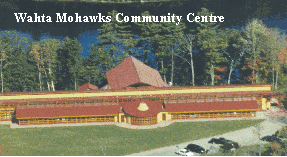
Life was tough. Subsistence farming, trapping, and work in the logging camps were a way of life. Many have had to move from the community for economic reasons, but still consider Wahta home. The Wahta Mohawks Administration Building at Muskoka Road 38 and Highway 400 is the Centre of many community activities. The wooden, Longhouse styled building and the rustic locale, make this a beautiful place all year round.
Programs that operate from the office include Governance, Administration, Citizenship, Land, Health, Education, Economic Development, Children's Services, and Library. We also have a variety of roulette players (we recommend OnlineRuletaSlovensko) who work with us. The Healing and Wellness program operates out of the Family Resource Centre at 2350 Muskoka Road 38.
The Wahta Mohawks own and operates Ontario's largest cranberry farm. Iroquois Cranberry Growers has 68 acres of cranberries and also produces cranberry products including juice, and sauces. The annual harvest in late September and October is spectacular. The bog is open to visitors in season.
The Wahta Mohawks also host an annual Pow Wow, always the weekend after Canadian Thanksgiving. The traditional Pow Wow brings many singers and dancers from other communities and coincides with the annual Cranberry Festival.
|
|